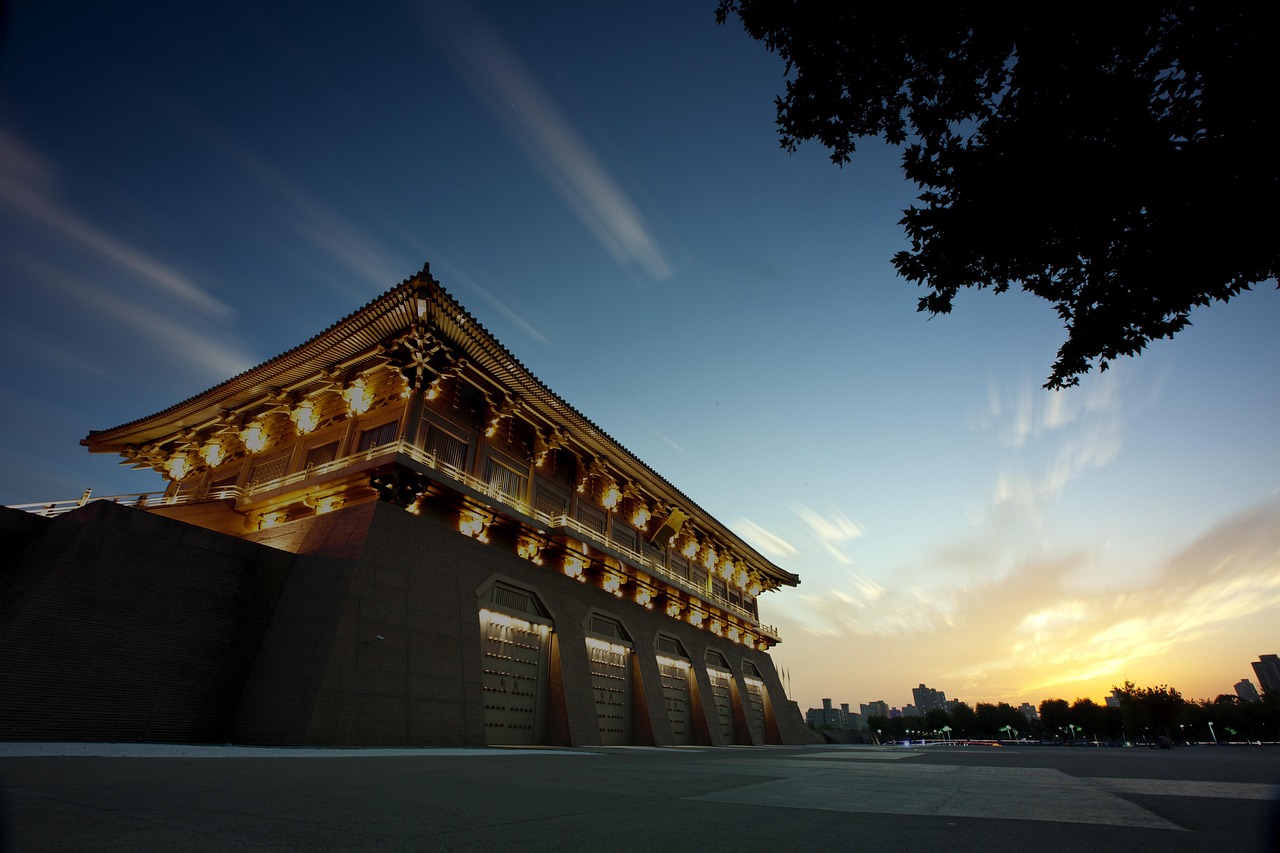
Step back in time and trace the legendary pathways that once connected East and West, bringing forth a vibrant exchange of goods, ideas, and cultures. A China Silk Road tour offers international tourists an unparalleled opportunity to explore a lesser-known, yet incredibly rich, facet of this vast and diverse country. From bustling ancient capitals to serene desert oases, this journey promises an adventure steeped in history, art, and breathtaking natural beauty.
What is the Silk Road? Why is China’s Section So Significant?
The Silk Road wasn’t a single path but a complex network of trade routes that crisscrossed Eurasia for over a millennium. While it spanned from China to the Mediterranean, the Chinese section of the Silk Road is arguably the most historically and culturally significant, marking its origin and home to some of its most iconic treasures.
This ancient superhighway facilitated the flow of silk, spices, tea, porcelain, and other precious commodities westward, while bringing Buddhism, Islam, and various Western technologies and artistic styles eastward. The cultural fusion along these routes created unique societies and left behind a legacy of magnificent grottoes, ancient cities, and formidable fortifications.
Best Time to Embark on Your Silk Road Adventure
The best time to travel the Chinese Silk Road is during spring (April to May) and autumn (September to October). During these months, temperatures are pleasant, typically around 20-30°C (68-86°F), making exploration comfortable. Summers can be scorching, especially in desert regions like Turpan, while winters are freezing, with some mountain passes potentially closed.
Essential Highlights of a China Silk Road Tour
A typical China Silk Road tour often starts in Xi’an and journeys westward, encompassing a range of historical, cultural, and natural wonders. Here are the must-see destinations:
1. Xi’an: The Eastern Gateway of the Silk Road
As the ancient capital of numerous dynasties and the undisputed eastern starting point of the Silk Road, Xi’an is where your historical journey truly begins.
- Terracotta Warriors and Horses: A UNESCO World Heritage site and one of the most astonishing archaeological discoveries of the 20th century. Witness thousands of life-sized terracotta soldiers, chariots, and horses guarding the tomb of China’s first emperor, Qin Shi Huang.
- Xi’an City Wall: The most complete and best-preserved ancient city wall in China. Rent a bike or walk along its 14-kilometer length for panoramic views of the city.
- Muslim Quarter & Great Mosque: A vibrant district showcasing the fusion of Chinese and Islamic cultures, thriving since the arrival of Silk Road traders. Explore the bustling markets, sample delicious local snacks, and visit the beautiful Great Mosque, a unique blend of Chinese and Islamic architectural styles.
- Big Wild Goose Pagoda: A significant Buddhist pagoda built to house scriptures brought back from India by the monk Xuanzang, highlighting the spread of Buddhism via the Silk Road.
Read: Why Xi’an is a Must-Visit in July & August: Summer Adventures in China’s Ancient Capital
2. Lanzhou: Yellow River City
Often a transit point, Lanzhou offers its own unique charm along the Yellow River.
- Bingling Temple Grottoes: Accessible by boat (seasonal), these Buddhist grottoes are carved into cliffs along the Yellow River, showcasing impressive Buddhist sculptures and murals from the 4th to 10th centuries.
- Gansu Provincial Museum: Provides excellent insights into the region’s Silk Road history and local ethnography.
3. Zhangye: The Rainbow Mountains
A geological marvel that feels otherworldly.
- Zhangye Danxia National Geopark (Rainbow Mountains): Famous for its vibrant, multi-colored rock formations, a result of millions of years of geological activity. It’s a photographer’s paradise.
- Giant Buddha Temple: Home to Asia’s largest reclining Buddha statue, offering a serene contrast to the dynamic landscapes.
Read: China’s Natural Wonders: From Karst Peaks to Sacred Mountains.
4. Jiayuguan: The Great Wall’s Western End
Where the Great Wall truly meets the vast western landscapes.
- Jiayuguan Fort: The westernmost and most magnificent pass of the Ming Dynasty Great Wall. Explore this formidable fortress, a crucial gateway on the Silk Road, and imagine ancient caravans passing through.
- Overhanging Great Wall: A reconstructed section of the Great Wall that dramatically ascends steep ridges, offering impressive views.
5. Dunhuang: Oasis in the Gobi Desert
A crucial oasis town, famed for its Buddhist art.
- Mogao Grottoes (Thousand Buddha Caves): A UNESCO World Heritage site, these caves house one of the world’s most extensive collections of Buddhist art, including murals, sculptures, and manuscripts, preserved for over a millennium in the desert’s dry climate.
- Singing Sand Dunes (Mingsha Shan) & Crescent Lake: Experience the magic of the desert with camel rides across vast dunes, culminating at a natural crescent-shaped spring, an iconic desert oasis.
6. Turpan: The “Fireland” Oasis
A fascinating city known for its unique climate and ancient ruins.
- Jiaohe Ruins: An ancient city carved entirely out of a natural mesa, showcasing incredible preservation of an ancient settlement.
- Gaochang Ruins: Another significant ancient city ruin, once a major stop on the Silk Road, offering insights into urban life centuries ago.
- Bezeklik Thousand Buddha Caves: Buddhist cave grottoes with impressive murals, though many were damaged, they still offer a glimpse into the region’s religious history.
- Karez Irrigation System: An ancient underground irrigation system that sustained life in this arid region for centuries, a testament to ancient engineering.
- Flaming Mountains: A barren mountain range known for its intense heat and reddish hue, especially striking at sunset.
7. Urumqi: Capital of Xinjiang
The bustling modern capital of Xinjiang Uyghur Autonomous Region, offering a blend of cultures.
- Xinjiang Regional Museum: Home to fascinating artifacts, including the famous mummies unearthed from ancient Silk Road tombs.
- Heavenly Lake (Tianchi): A stunning alpine lake nestled amidst snow-capped peaks, offering serene boat rides and hiking opportunities.
- Erdaoqiao Grand Bazaar: A vibrant market to experience local Uyghur culture, handicrafts, and diverse produce.
Read: Explore the Top 8 Must-See Destinations in China’s Silk Road Region.
8. Kashgar: The Westernmost Frontier
A captivating city near China’s western borders, a melting pot of cultures.
- Id Kah Mosque: China’s largest mosque, a vibrant center of Islamic culture.
- Abakh Khoja Tomb (Fragrant Concubine Tomb): An impressive 17th-century Islamic tomb complex.
- Kashgar Old City: Wander through the labyrinthine alleys of the old city, encountering traditional Uyghur life, architecture, and handicrafts.
- Sunday Bazaar: One of Central Asia’s largest and most authentic traditional markets, a sensory feast where locals trade everything from livestock to spices and textiles.
Crafting Your China Silk Road Tour
China Silk Road tours typically range from 10 to 18 days, depending on the depth of exploration and the number of cities included.
- 10-12 Days: Often covers Xi’an, Dunhuang, and either Zhangye or Turpan/Urumqi, providing a good overview of the key highlights.
- 14-18 Days: Allows for a more comprehensive journey, extending to Kashgar and incorporating more in-depth exploration of each city and region, including more cultural experiences.
Getting Around: High-speed trains connect many major cities like Xi’an, Lanzhou, and Zhangye. For longer distances and remote areas, domestic flights and private vehicles are common.
Essential Tips for International Tourists
- Visas: A valid Chinese visa is required for most international travelers. Apply well in advance.
- Accommodation: A range of hotels, from comfortable to luxury, are available in major cities. In more remote areas, options might be simpler but still comfortable.
- Cuisine: Prepare for diverse culinary experiences! While Chinese food is vast, the Silk Road regions offer unique flavors influenced by Central Asian and Middle Eastern cuisines (e.g., hand-pulled noodles, lamb skewers, naan bread). Vegetarians might find options more limited in some areas but growing.
- Language: Mandarin is the official language. While English is spoken in major tourist hotels and by guides, learning a few basic phrases in Mandarin or even Uyghur (in Xinjiang) will enhance your interactions.
- Health & Safety: Consult your doctor regarding recommended vaccinations. Stay hydrated, especially in arid regions. Reputable tour operators prioritize safety.
- Cultural Sensitivity: Dress modestly when visiting religious sites. Respect local customs and traditions, particularly in ethnic minority regions like Xinjiang.
- Flexibility: While itineraries are planned, travel in remote areas can sometimes involve unexpected changes. A flexible and open mindset will make your journey more enjoyable.
A China Silk Road tour is more than just a trip; it’s an immersive journey into the heart of history, where ancient civilizations converged and left an indelible mark on the landscape and its people. Prepare to be amazed by the sheer scale of the historical sites, the warmth of the local cultures, and the stunning diversity of China’s western frontiers.