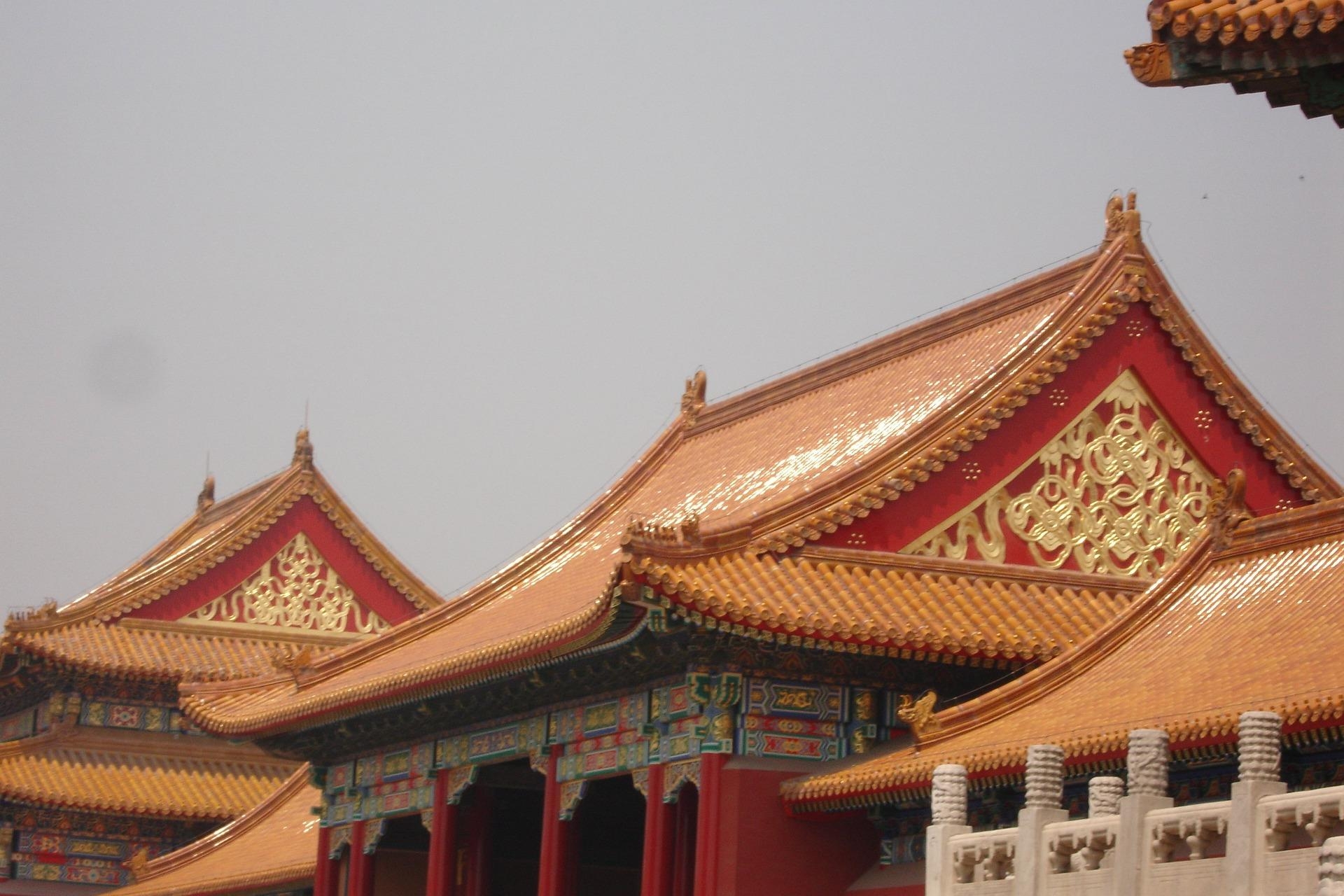
There’s a moment, right before you cross the threshold of the Forbidden City, when Beijing’s chaotic energy seems to fade and history presses in from all sides. As someone obsessed with uncovering stories in ancient walls, I can tell you: nothing quite prepares you for the scale, the color, and the gravity of this place.
The Heart of Beijing’s History
The Forbidden City isn’t just another palace; it’s the largest preserved royal complex on Earth, and for nearly five centuries, its 980 buildings were home to 24 emperors from the Ming and Qing dynasties. Construction began in 1406, commissioned by the ambitious Yongle Emperor, and by 1420 it had become the center of Chinese power, culture, and intrigue. The scale is staggering: 180 acres of courtyards, halls, and gardens, all aligned along Beijing’s central axis, a design that’s as symbolic as it is functional. Every detail, from the number of dragon motifs to the vibrant red and gold colors, is loaded with meaning: red for happiness, gold for imperial authority, and nine dragons as a number reserved for the emperor alone (Palace Museum Official).
Your Walking Tour: Gateways, Halls, and Hidden Corners
Stepping through the Meridian Gate, you’re immediately hit with a sense of ritual. This was where emperors issued proclamations and where the immense social hierarchy began; only the most elite could even dream of entering these grounds. The Hall of Supreme Harmony, with its raised marble terrace and elaborate throne, still carries the echoes of coronations and imperial weddings. It’s easy to imagine the swirl of silk robes, the hush of anticipation, and the tense politics that played out under its golden roof.
But it’s not all grand spectacle. Some of my favorite moments were found wandering off the main tourist path, ducking into the Treasure Gallery to see jade carvings and delicate calligraphy, or finding a quiet corner in the Imperial Garden where ancient cypress trees lean together like old friends (Palace Museum Official).
How to Visit and When to Go
Here’s the practical scoop, straight from months of planning and a few rookie mistakes: you need to book your tickets in advance; there are no walk-ups anymore. The Palace Museum’s official site is the gold standard for booking. Tickets are typically released seven days ahead and sell out quickly, especially during peak travel months. Prices hover around ¥60 during the busy season (April to October) and drop to ¥40 in winter, with extras for special exhibitions. You’ll need your passport handy, as entry is strictly controlled (China Discovery).
For the best experience, aim for a weekday morning in spring or autumn. Early arrivals beat the crowds and catch the city bathed in a gentle golden light, which turns the palace rooftops into something almost otherworldly.
Local Secrets: Views and Nearby Wonders
If you’re the sort who likes to get the lay of the land, don’t miss Jingshan Park, right across from the Forbidden City’s north gate. Climb Prospect Hill, and you’ll see the entire palace complex stretch out beneath you, rooftops glowing against Beijing’s skyline, a view that’s been inspiring poets and painters for centuries (The China Guide). It’s my favorite place to decompress after the intensity of palace life, and if you time it for sunset, the panorama is unforgettable.
Final Thoughts: Why This Place Still Matters
The Forbidden City isn’t just a museum; it’s a living record of China’s dynastic glories, its artistry, and its epic stories of power, betrayal, and beauty. Every stone and statue has a tale, waiting for you to discover it. Whether you’re a history buff, a photography lover, or just someone who loves a good story, this is the must-see that will stay with you long after you leave Beijing.
So, are you ready to step into the story? Book ahead, charge your camera, and walk slowly; there’s a lifetime of secrets behind those red walls.
Read more on China:
China Railway Station Guide: Comprehensive Travel Information
Chinese Architecture: Key Features, Cultural Significance, and Styles