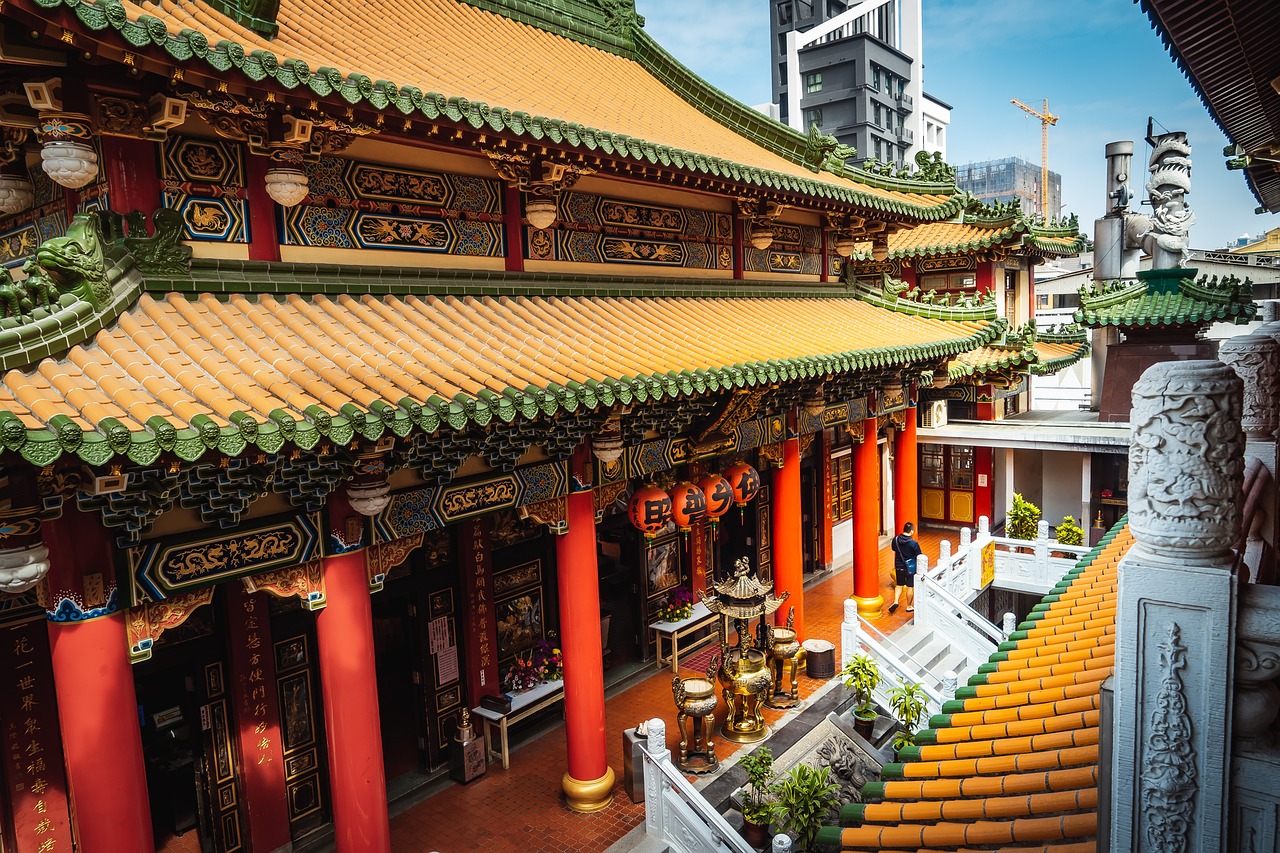
China is often described as one of the oldest continuous civilizations on earth, but this label only hints at its complexity. The story of Chinese culture is one of philosophical depth, dynastic shifts, and adaptation to modern life.
Historical Foundations and Philosophical Roots
The roots of Chinese civilization stretch back to the Neolithic period. Early dynasties such as the Xia, Shang, and Zhou established key elements of political organization, writing, and religious practice. During the Zhou era, the “Hundred Schools of Thought” emerged, introducing Confucianism, Daoism, and Legalism.
[Learn more at Britannica]
Confucianism, formalized by Confucius (Kongzi) in the fifth century BCE, introduced enduring ideas about social harmony, filial piety, and ethical governance. These principles have shaped family life, educational expectations, and government. Daoism, ascribed to Laozi, emphasized harmony with nature and personal virtue through non-interference. Buddhism, which arrived from India in the first century CE, introduced concepts like karma and rebirth that blended with native traditions.
[More on Confucianism at Asia Society]
Ritual and Social Hierarchy
Ritual propriety, or li, has traditionally helped maintain social hierarchy and political order in China. Respect for elders, the primacy of family, and deference to authority are reinforced through daily practice, from ancestor worship at home to elaborate court ceremonies.
Festivals: Tradition in Practice
Chinese festivals are deeply connected to history and meaning. The Spring Festival, or Chinese New Year, is a time to honor ancestors, dispel misfortune, and strengthen family bonds. Cleaning the house, setting off fireworks, and giving red envelopes (hongbao) all carry symbolic value.
The Mid-Autumn Festival, celebrated on the fifteenth day of the eighth lunar month, centers on moon worship and family reunion. Mooncakes are a signature treat, with each ingredient holding special meaning. The Dragon Boat Festival commemorates the poet Qu Yuan through boat races and the sharing of zongzi, a sticky rice delicacy wrapped in leaves.
Etiquette and Social Interaction
Etiquette in China is shaped by tradition and modern norms. Indirect communication, modesty, and avoiding public disagreement are valued. Greetings may involve a handshake or a nod, with formal address by title and surname being standard in many situations.
Gift-giving follows specific rules. Certain gifts, like clocks or shoes, are avoided due to negative associations. Red and gold wrapping signals luck, and it is polite to initially refuse a gift before accepting. Dining etiquette also reflects hierarchy; seating is arranged by rank or age, and chopsticks should never be left standing upright in rice.
Artistic Traditions
Chinese art is highly regarded for its cultural expression. Calligraphy is an art form that reveals the writer’s character and education. Traditional music uses instruments such as the guzheng and dizi to express emotion, while regional opera styles like Peking Opera combine music, dance, and elaborate costumes to tell stories.
Dress and Cultural Identity
Traditional garments like the qipao for women and the changshan for men remain important symbols of cultural heritage. While most people wear modern clothing daily, traditional dress is still worn during festivals and ceremonies, maintaining a visible link to the past.
Gubei Water Town: Preserving Heritage in a Modern World
Gubei Water Town, located near Beijing, offers a unique perspective on how China preserves its historical legacy while embracing modern tourism. This picturesque town is modeled after ancient water towns in Jiangnan and features stone bridges, winding canals, and Ming and Qing dynasty architecture. Cultural demonstrations, such as paper cutting and shadow puppetry, allow visitors to experience traditional crafts firsthand. Gubei Water Town stands as a living example of how historical aesthetics and local customs can thrive alongside contemporary amenities, making it a popular destination for both domestic and international tourists.
[Read more at South China Morning Post]
Read our research on Gubei Water Town
here!
Or watch our video on Gubei Water Town:
Modern Transformations
Rapid urbanization, economic change, and global influences have transformed Chinese society. Cities like Beijing and Shanghai display a unique blend of historical architecture and modern infrastructure. Younger generations are engaging with global fashion and entertainment, while also navigating the preservation of traditional values. These shifts sometimes result in tension between collective and individual interests, especially in family and career life.
Advice for Visitors: Navigating Culture and Custom
Travelers to China will encounter a blend of old and new customs. Learning basic Mandarin greetings, respecting local etiquette, and understanding the symbolism of gestures and gifts will help bridge cultural differences. Payments often rely on mobile apps like WeChat Pay or Alipay, and credit cards are not always accepted in smaller businesses. Removing shoes before entering a home is customary.
Chinese culture is a dynamic tapestry of ancient wisdom, ritual practice, and ongoing change. Appreciating its depth requires attention to both historical context and present-day realities. For a richer understanding, consider consulting scholarly sources and firsthand accounts that delve beyond surface-level summaries.